
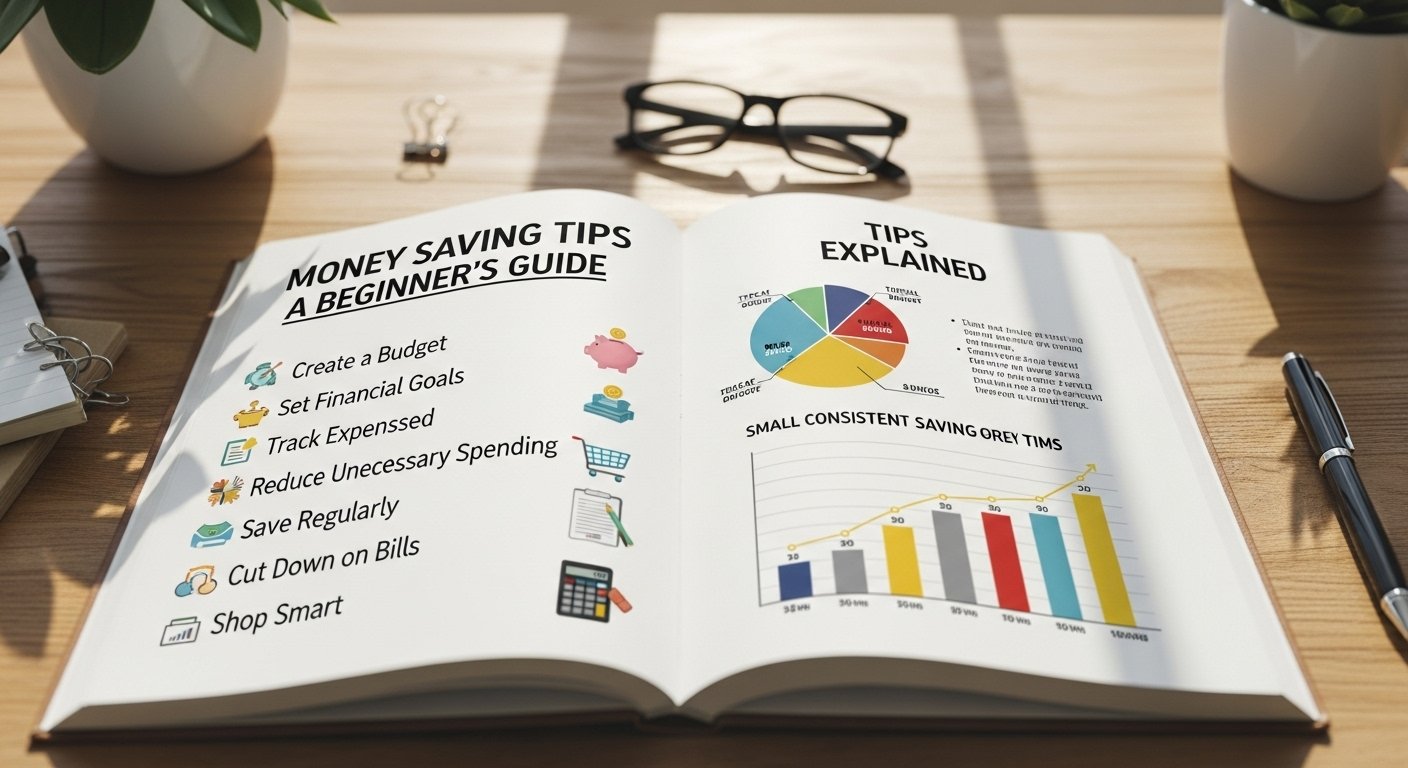
Money saving tips are strategic actions and habits designed to reduce unnecessary expenditure and increase retained earnings for future financial goals. Adopting these strategies allows individuals to build financial security, prepare for emergencies, and achieve long-term wealth. Many beginners find the concept of saving money daunting, but success relies on consistent, small behavioral changes rather than drastic lifestyle overhauls. By understanding where money goes and directing it intentionally, you gain control over your financial health.
Key Takeaways:
- Implementing the 50/30/20 rule organizes income into needs, wants, and savings.
- Automating transfers ensures consistent savings without relying on willpower.
- Auditing recurring expenses and subscriptions releases hidden cash flow.
- Waiting 24 hours before purchases prevents impulse spending on non-essentials.
- Prioritizing high-interest debt repayment reduces long-term financial loss.
1. Master the 50/30/20 Rule
The 50/30/20 rule is a budgeting method allocating 50 percent of income to needs, 30 percent to wants, and 20 percent to savings. This framework provides a simple structure for beginners who struggle with complex spreadsheets. It ensures that essential living costs are covered while prioritizing future financial stability.
How to Apply This Rule
To implement this method, calculate your monthly after-tax income. Categorize your spending into three buckets:
- Needs (50%): Housing, utilities, groceries, and transportation.
- Wants (30%): Dining out, entertainment, and hobbies.
- Savings (20%): Emergency funds, retirement contributions, and debt repayment.
If your expenses for “needs” exceed 50 percent, you may need to look for ways to lower housing costs or increase income. For more details on structuring your finances, you can explore simple budgeting methods that actually work.
2. Automate Your Savings
Automating savings involves setting up scheduled transfers from a checking account to a savings account immediately after receiving a paycheck. This “pay yourself first” strategy removes the temptation to spend money that sits in your checking account. By treating savings like a mandatory bill, you ensure consistency without requiring active decision-making every month.
The Psychology of Automation
Human willpower is often unreliable when faced with immediate gratification. Automation bypasses this struggle. When money moves automatically, you adjust your spending habits to fit the remaining balance in your checking account. Most banks allow you to split your direct deposit or set up recurring transfers. Start with a small amount, such as 50 or 100 dollars, and increase the figure as your budget stabilizes.
3. Implement the 24-Hour Rule
The 24-hour rule helps prevent impulse buying by requiring a 1-day waiting period before purchasing non-essential items over a specific price threshold. Impulse purchases are often driven by emotion rather than necessity. This cooling-off period allows rational thinking to return, helping you determine if the purchase aligns with your financial goals or if it is merely a fleeting desire.
Reducing Buyer’s Remorse
For expensive items, consider extending this period to 30 days. During this time, ask yourself:
- Do I have a place to put this item?
- Will I use this item in six months?
- Is this purchase worth the hours of work required to pay for it?
Understanding the difference between essential and non-essential spending is critical. You can learn more about managing these choices in our guide on needs vs wants.
4. Audit Recurring Subscriptions
Auditing subscriptions requires reviewing bank statements to identify and cancel unused or redundant services like streaming platforms and gym memberships. In the digital economy, small monthly fees often go unnoticed but accumulate into significant annual costs. A standard household may spend hundreds of dollars annually on services they rarely utilize.
Steps to specific Audit
- Print your last three months of bank and credit card statements.
- Highlight every recurring charge.
- Cancel any service you have not used in the last 30 days.
- Check for overlapping services (e.g., three different music streaming accounts).
For reliable information on managing consumer spending and avoiding subscription traps, refer to the Federal Trade Commission’s guide on making a budget.
5. Reduce Grocery Costs with Meal Planning
Meal planning reduces grocery costs by creating a strict shopping list based on pre-selected recipes to minimize food waste and impulse purchases. Food is typically one of the largest variable expenses in a household budget. Shopping without a plan often leads to buying duplicates, expensive convenience foods, or ingredients that spoil before use.
Strategic Grocery Shopping
To maximize savings at the grocery store:
- Check your pantry before leaving the house to avoid buying what you already own.
- Plan meals around items that are currently on sale.
- Buy generic or store-brand products, which are often identical to name brands in quality.
- Avoid shopping while hungry, as this increases the likelihood of buying high-calorie, expensive snacks.
6. Tackle High-Interest Debt
Paying off high-interest debt saves money by eliminating the compounding interest charges that accumulate on credit card balances and loans. While paying down debt feels like spending, it is a form of saving. Every dollar paid toward interest is a dollar that cannot be used for future wealth building. Interest rates on credit cards can exceed 20 percent, making this debt a financial emergency.
Avalanche vs. Snowball Method
Two primary strategies exist for clearing debt:
- Avalanche Method: Pay minimums on all debts, but send extra money to the debt with the highest interest rate. This saves the most money mathematically.
- Snowball Method: Pay off the smallest balance first to build momentum. This offers psychological wins.
Regardless of the method, the goal is to stop interest from eroding your income.
7. Optimize Energy Efficiency
Optimizing utility usage lowers monthly bills through adjustments like installing programmable thermostats, sealing air leaks, and using energy-efficient appliances. Energy costs fluctuate, but consumption is largely within your control. Small adjustments to your home environment can result in savings of 10 to 30 percent on utility bills.
Practical Energy Tips
Consider these changes:
- Switch to LED light bulbs, which use up to 90 percent less energy than incandescent bulbs.
- Wash clothes in cold water to save on water heating costs.
- Unplug electronics when not in use to prevent “vampire” energy drain.
For more technical details on energy efficiency, visit the U.S. Department of Energy’s Energy Saver guide.
8. Establish an Emergency Fund
An emergency fund protects long-term savings by providing a liquid cash reserve specifically for unexpected expenses like medical bills or car repairs. Without this fund, unexpected costs often force individuals to use high-interest credit cards, creating a cycle of debt. Financial stability requires a safety net.
How Much to Save
Most financial experts recommend saving 3 to 6 months of living expenses. However, starting with a smaller goal, such as 1,000 dollars, provides immediate protection against minor mishaps. Keep this money in a separate, high-yield savings account so it remains accessible but distinct from your daily spending money.
9. Utilize Cash Back and Reward Apps
Cash back apps generate savings by refunding a percentage of the purchase price on eligible items bought at participating retailers. While this should not encourage extra spending, it effectively lowers the cost of necessary purchases. Many credit cards also offer cash back rewards ranging from 1 to 5 percent on specific categories.
Maximizing Rewards
To use rewards effectively without overspending:
- Only use credit cards if you can pay the full balance every month.
- Stack rewards by using a cash back app and a rewards credit card on the same purchase.
- Redeem points for statement credits to directly reduce your bill.
10. Conduct a ‘No-Spend’ Challenge
A no-spend challenge involves committing to a specific period where you spend money only on essential needs like rent and groceries. This exercise highlights unconscious spending habits and resets your relationship with money. It can last for a weekend, a week, or even a month.
Benefits of a Spending Freeze
During a no-spend challenge, you force yourself to use what you have. You might discover meal combinations from your pantry, find free local entertainment, or realize you do not miss certain luxuries. The money saved during this period can be immediately directed toward your emergency fund or debt.
Comparison of Savings Accounts
Choosing the right vehicle for your savings is as important as the act of saving itself. The table below compares common options.
| Account Type | Liquidity (Access) | Interest Rate Potential | Best Use Case |
|---|---|---|---|
| Traditional Savings | High | Low | Short-term holding, linking to checking. |
| High-Yield Savings (HYSA) | High | Medium-High | Emergency funds, sinking funds. |
| Certificate of Deposit (CD) | Low (Locked term) | High | Savings not needed for 1-5 years. |
| Money Market Account | Medium (Check writing) | Medium | Large balances needing easy access. |
Conclusion
Saving money is a fundamental skill that provides freedom, security, and options for the future. By auditing your expenses, automating your savings, and distinguishing between needs and wants, you can build a robust financial foundation. Start with one or two tips from this list, such as the 24-hour rule or meal planning, and gradually incorporate more strategies as you become comfortable. Consistently practicing these daily money habits will compound over time, leading to significant wealth accumulation.
Frequently Asked Questions
Is there a specific percentage of income I should save?
Yes, financial experts generally recommend saving at least 20 percent of your income. The 50/30/20 rule suggests allocating 50 percent to needs, 30 percent to wants, and 20 percent to savings and debt repayment.
Can I save money on a low income?
Yes, saving on a low income is possible by focusing on reducing variable costs and eliminating small, non-essential expenses. Strategies like meal planning, negotiating bills, and using free community resources can help free up small amounts of cash to start an emergency fund.
What is the best way to start saving if I have zero savings?
The best way to start is by creating a zero-based budget to track every dollar and setting a small, achievable goal, such as saving 500 dollars. Automating a small transfer, even 10 dollars a week, establishes the habit without overwhelming your finances.
Should I pay off debt before saving money?
No, you should ideally establish a small emergency fund (around 1,000 dollars) before aggressively paying off debt. This prevents you from falling back into debt if an unexpected expense arises while you are paying down balances.
How do I stop spending money on things I do not need?
Yes, you can stop unnecessary spending by implementing the 24-hour rule, unsubscribing from retailer marketing emails, and using cash envelopes for discretionary spending categories. These barriers create a pause that allows rational decision-making to override impulse.